
Silicone vs Plastic Travel Bottles: Which Is Better for Your Next Trip? (2026 Ultimate Guide
Introduction of Silicone Toiletry Bottles
Have you ever had an expensive skincare product confiscated at airport security? Or opened your suitcase at a hotel to find it soaked through with leaked shower gel? The TSA 3-1-1 liquids rule, which limits each container to no more than 100ml, makes travel bottles an essential item for any trip. But how do you choose the right travel bottle when it’s time to buy?
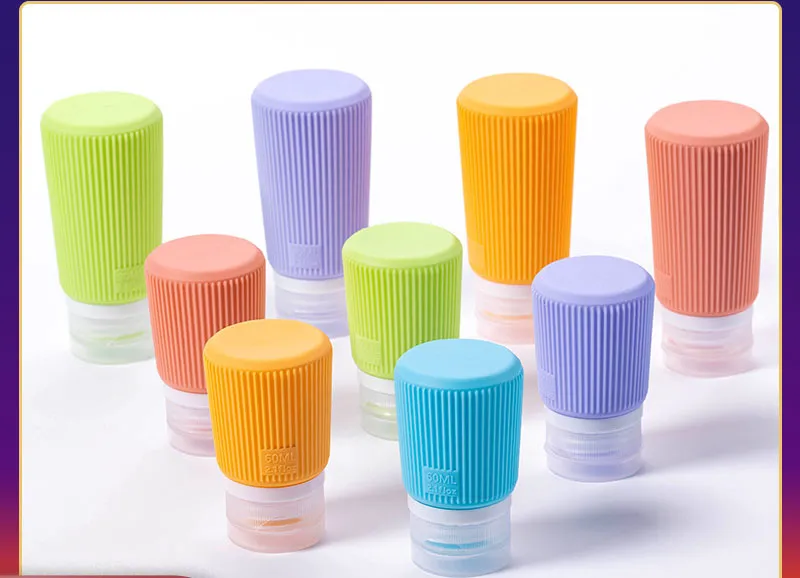
Based on past experience, you have likely always chosen a plastic travel bottle, perhaps even a name-brand one. However, silicone travel bottles have now emerged on the market. As a silicone travel bottle manufacturer, we are dedicated to providing the best silicone travel bottles so you can avoid liquid leakage worries during your travels. This article will provide an in-depth comparison of these two materials in terms of eco-friendliness, portability, durability, and safety, helping you make the smartest decision before your next trip.
What Is a Silicone Travel Bottle?
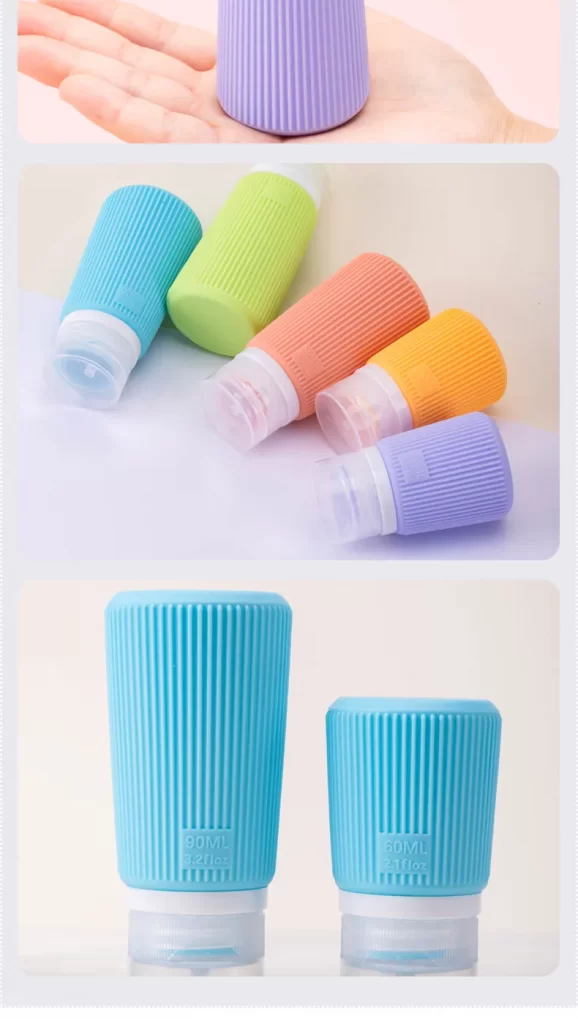
As the name suggests, a silicone travel bottle is made of silicone material. With the development of silicone technology and growing environmental awareness, silicone products have penetrated every aspect of our lives.
The Safety of Silicone
Non-toxic and Harmless: No additives harmful to the human body are added during the silicone manufacturing process. Its own properties are stable, making it non-toxic and harmless. Therefore, silicone products meet food safety standards and can be used to make kitchenware, tableware, baby bottle nipples, travel bottles, and other products that come into close contact with the human body. Moreover, silicone’s chemical bonds are stable and do not react with various liquids. It adds no harmful substances during manufacturing, is resistant to high temperatures and chemicals, resists oxidation, and offers better environmental friendliness. As a result, consumers can use silicone products with confidence and enjoy the convenience and comfort they bring.
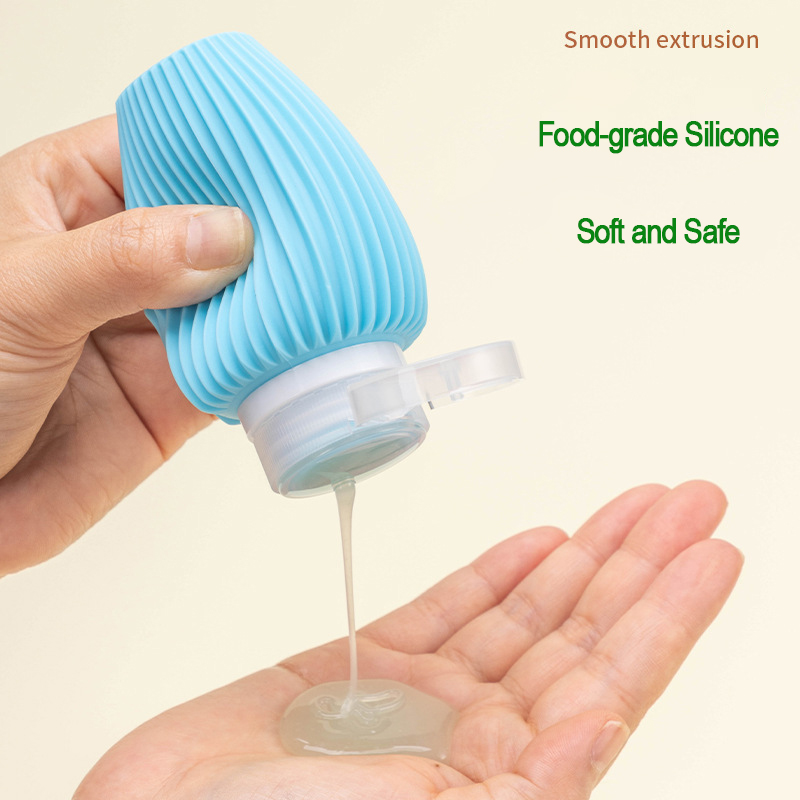
Our manufactured silicone products comply with FDA, LFGB, and other standards, and are free from harmful substances like BPA. We compared silicone travel bottles with plastic travel bottles and found that silicone travel bottles are superior to plastic bottles in every aspect.
Quick Summary: Which Is Better for You?
| Feature | Silicone Toiletry Bottles | Plastic Bottle |
|---|---|---|
| Best Use Case | Outdoor sports, long-distance travel, fitness, carrying viscous liquids (like creams) | Short business trips, carrying watery liquids (like toner), budget-first choice |
| Ease of Squeezing | ⭐⭐⭐⭐⭐ (Very easy to squeeze, can be used upside down, compatible with pump nozzles) | ⭐⭐ (Hard, requires vigorous shaking or a pump nozzle) |
| Residue Cleaning | ⭐⭐⭐ (Silicone surface is porous and easily retains odors/oils; recommended for holding a single fixed liquid) | ⭐⭐⭐⭐⭐ (Smooth inner wall, easy to clean) |
| Durability | ⭐⭐⭐⭐ (Silicone is highly elastic, drop-resistant, and does not crack) | ⭐⭐⭐ (Ages easily in high/low temperatures; low-quality plastic is brittle, high-quality is durable) |
| Eco-Friendliness Score | ⭐⭐⭐⭐ (Reusable, can degrade naturally) | ⭐⭐ (May contain BPA, degrades slowly, and can produce microplastics that pollute the marine environment) |
Reasons to Choose a Silicone Refillable Bottle
Durability and Travel Scenarios
- Drop Test: Silicone wins hands down. It won’t crack no matter how many times you drop it, making it ideal for travel, air transport, backpackers, and outdoor hiking.
- Extreme Environments: Plastic becomes brittle and fragile at low temperatures and may leach harmful substances at high temperatures. Silicone has a wider temperature resistance range (-40°C to 230°C), making it suitable for high-temperature sterilization, repeated use, and outdoor use.
- Leakage Risk: For both types, the risk depends on the cap’s sealing ring. However, a silicone bottle body expands and contracts with temperature changes, which can cause pressure differences and potential liquid “spurting.” Plastic bottles are more stable in this regard. As a silicone manufacturer, we offer a new leak-proof technology that prevents silicone bottle leaks.
- Outdoor Use: Silicone’s chemical bonds are very stable. It can be used outdoors, and its aging process under direct sunlight is very slow, offering UV protection. Plastic travel bottles are prone to yellowing or discoloration when exposed to sunlight.
Material Safety and Sustainability
- Chemical Safety: Be sure to choose food-grade silicone and BPA-free plastic.
- Environmental Degradation: Although silicone is not as widely recycled as plastic, it is an inert material that will not break down into microplastics polluting the ocean. Recyclable silicone has also now been developed. While plastic (PET/PETE) is recyclable, its actual recycling rate is low.
- Service Life: High-quality silicone can be used for several years without degrading. Plastic bottles are prone to scratches and clouding after multiple uses, requiring replacement once bacteria develop.
- Cost-Effectiveness: In the long run, a silicone travel bottle offers the best price-to-performance ratio. Although the initial purchase price is higher than a plastic travel bottle, it can be used for 5 to 10 years.
Buying Guide: How to Choose Based on Trip Type
- Business Trip / Weekend Getaway (1-3 days): Recommend high-quality plastic bottles. They are lightweight, easy to label, and quick to clean, perfectly meeting efficiency needs and can be used as disposables.
- Long-Distance Backpacking / Southeast Asia/Tropical Travel: Recommend silicone bottles. They are leak-proof and drop-resistant, eliminating worries about rough handling during baggage check-in. They are suitable for long-term use and can be cleaned and stored as backup when not in use.
- Family Trip with Kids: Recommend silicone. Safe silicone complies with food safety standards. The soft bottle body prevents children from breaking it, and the non-toxic material offers greater peace of mind.
Frequently Asked Questions (FAQ – People Also Ask)
Q1: Are silicone travel bottles really safer than plastic bottles?
A: Yes, if you choose Platinum-cured Silicone. It is more inert than ordinary plastic and will not leach Bisphenol A (BPA). However, low-quality silicone may contain fillers. When buying, look for “LFGB” or “FDA” certifications. We manufacture food-grade silicone travel bottles.
Q2: How do I remove odors from a silicone bottle?
A: Soak the bottle in diluted white vinegar or baking soda water overnight. Then, leave it to dry in the sun or put it in the freezer for a few hours. Silicone is resistant to high temperatures; you can also boil it in water with detergent to remove the odor.
Q3: Are silicone travel bottles suitable for the gift industry?
A: Silicone travel bottles are perfectly suited for the gift industry. They come in a wide variety of types and colors. Silicone’s moldability and eco-friendly nature make it a top choice for gifts.
Q4: Which material can pass airport security?
A: Neither material affects the security check itself. The key factor is the capacity marking. As long as the bottle’s labeled capacity is ≤ 100ml (3.4 oz), it is acceptable.
Conclusion
In the Silicone vs Plastic debate, we recommend choosing the silicone travel bottle, a product made of a new and environmentally friendly material. This type of product resists high and low temperatures, UV rays, and is safe and stable. It is suitable for long-term, repeated use, making it an essential product for both travel and home. Moreover, silicone travel bottles are perfect for promotional events. Many companies now choose silicone products when selecting corporate gifts, and we provide high-quality silicone products perfectly suited for the promotional industry.
📞 Looking for premium, customizable silicone travel bottles? Contact our team today for a competitive quote and free sample.