
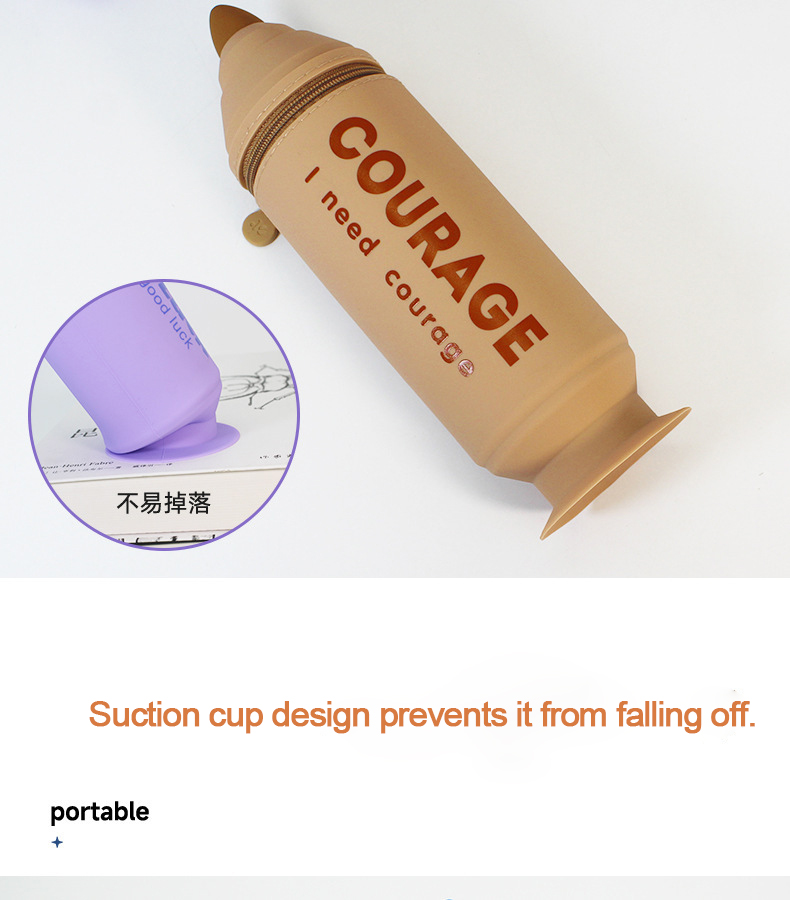
How to Choose the Best Custom Silicone Pen Holder for Your Promotional Campaign
Introduction
In real-world promotional campaigns, there are countless gift options to choose from. Cost-effective items like plastic products are often used for free giveaways. However, as the promotional products industry evolves and consumer mindsets shift, practicality and eco-friendliness have become the dominant trends for businesses and schools alike.
Practical gifts are more likely to be kept and used over time – reducing waste and ensuring your marketing investment doesn’t end up in the trash. Eco-friendly gifts, on the other hand, are non-toxic, safe, and align with growing environmental consciousness.
Silicone products – particularly silicone pen holders – check both boxes, making them one of the best choices for corporate gifts.
This article will explore why silicone pen holders are an ideal promotional gift and provide a practical guide on how to choose the best one for your needs.
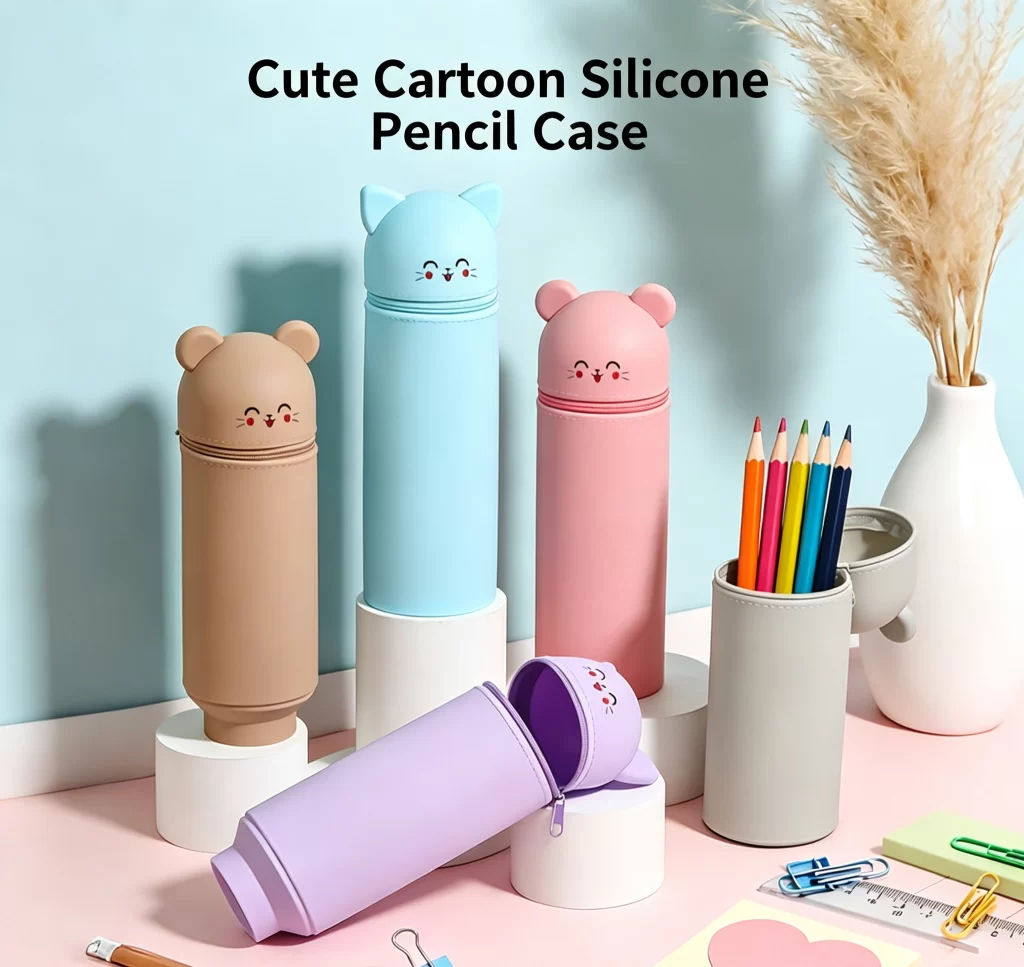
What Is a Silicone Pen Holder and What Are Its Key Properties?
A silicone pen holder is a desk organizer made from silicone raw material through a process of mixing, compression molding, and high-temperature curing. It is an eco-friendly desktop storage solution suitable for students and office workers alike.
Key properties of silicone pen holders include:
- High and low-temperature resistance: Silicone performs reliably across a wide temperature range, from -60°C to 200°C, adapting to various environments.
- Chemical resistance: Silicone resists corrosion from most chemicals, acids, alkalis, and salts.
- Electrical insulation: Silicone offers excellent electrical insulation properties, even at elevated temperatures.
- Aging resistance: Silicone products resist cracking, deformation, and discoloration over time.
- Eco-friendly and non-toxic: Food-grade silicone meets safety standards and is safe for food-contact applications.
- Superior physical properties: Silicone provides good elasticity, softness, high tear strength, and wear resistance.
- Easy to mold: Silicone is highly formable, supporting a wide variety of custom shapes.
Why Silicone Pen Holders Are Worth the Investment
Thanks to the properties outlined above, silicone pen holders are widely favored by consumers and well-suited for corporate gifting or personal use.
Compared to plastic pen holders, silicone offers a significantly longer lifespan – up to 5–10 years under normal use. Unlike bamboo or ceramic holders, silicone won’t shatter when dropped. A branded silicone pen holder that stays on a user’s desk for years delivers ongoing brand exposure – making it a highly cost-effective marketing tool.
Silicone pen holders are also eco-friendly, aligning with the growing trend toward green promotional products.
Furthermore, they offer a high degree of customizability – from color and shape to logo printing – allowing businesses to create a unique product that reflects their brand identity.
Key Factors to Evaluate
Below are the core dimensions to consider when selecting a custom silicone pen holder. If you’re unsure where to start, choosing a reliable silicone manufacturer like us is always a safe option.
Material Quality & Safety Certifications
The first priority in custom production is to confirm that the silicone manufacturer uses compliant materials that meet food-grade safety standards. High-quality custom silicone pen holders must be made from virgin silicone raw materials – never recycled silicone or low-cost compounds with inferior additives, which can leach harmful substances.
Reputable manufacturers will provide material test reports that clearly indicate safety indicators, often meeting child safety standards. For export-oriented products, they can also provide compliance certificates for target markets. Additionally, reliable manufacturers maintain strict raw material control processes, with independent sample testing for each batch to prevent mixing or misuse of substandard materials.
Beyond materials, assess the manufacturer’s production processes and detail-oriented safety controls. Silicone pen holders should not have easily detachable small parts. Edges must be fully rounded and free of sharp burrs or flashes. Quality manufacturers optimize mold parting line positions during the tooling stage and assign dedicated personnel for thorough edge-trimming inspection. Each product undergoes multiple rounds of manual inspection to eliminate defective items with sharp edges or loose components.
Production workshops should also maintain basic cleanroom conditions to prevent contamination from impurities or oil stains. Finished products should be cleaned and sanitized before delivery, arriving odor-free and ready for immediate use.
Design and Size Considerations
When choosing a silicone manufacturer, you can often use existing molds to save on tooling costs. Currently, silicone pen holders come in four common configurations:
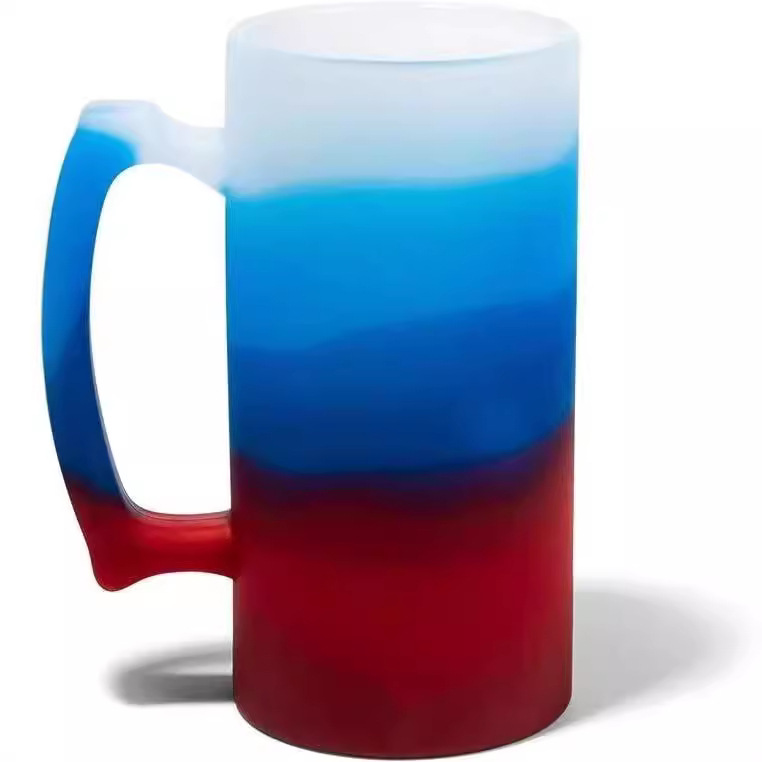
- Silicone cup style: A standard silicone cup can function as a pen holder, but it needs sufficient depth to hold pens and other items. This type is designed for desktop use only.
- Silicone pencil case: A square silicone case with a zipper closure. This style can double as a cosmetic storage pouch and is easy to carry.
- Zippered standing pen holder: This type stands upright on a desk while featuring a zipper closure that allows items to be stored and carried in a bag – combining desktop organization with portability.
- Collapsible silicone pen holder: A foldable design that minimizes storage space when not in use.
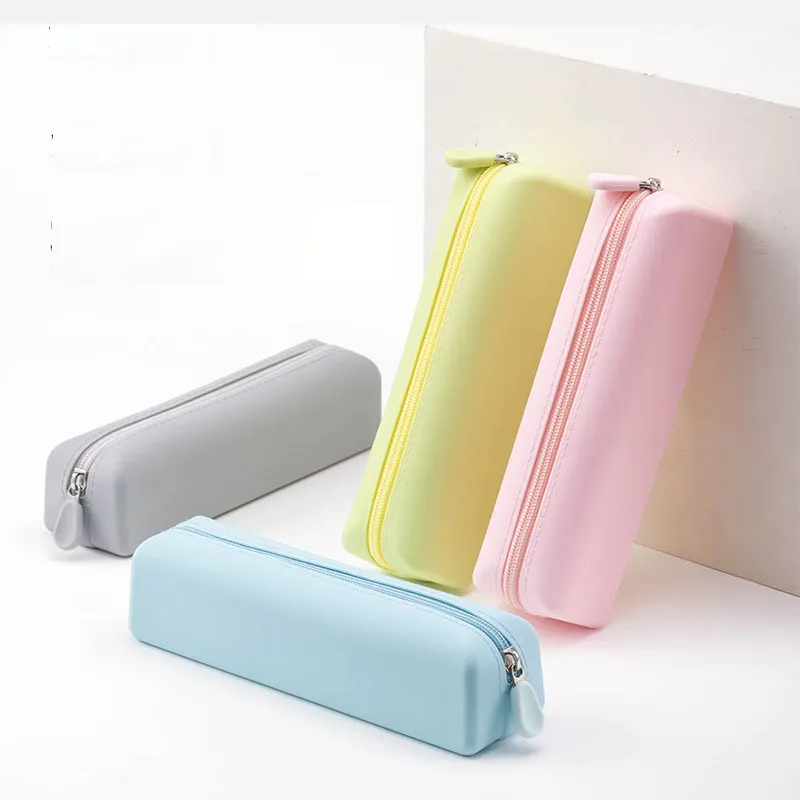
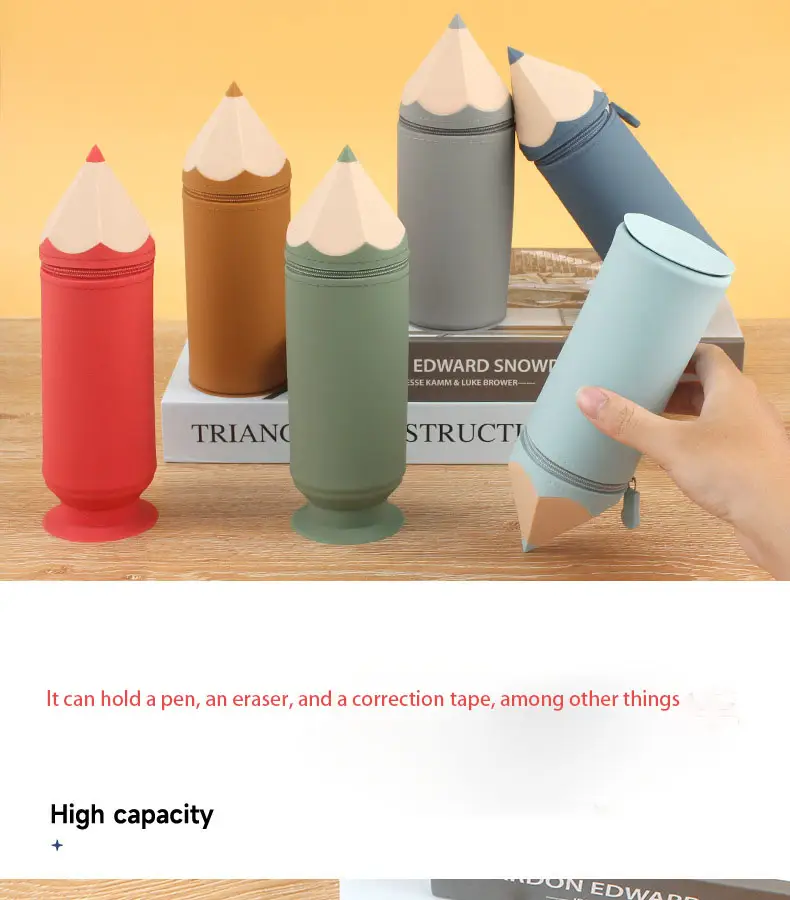
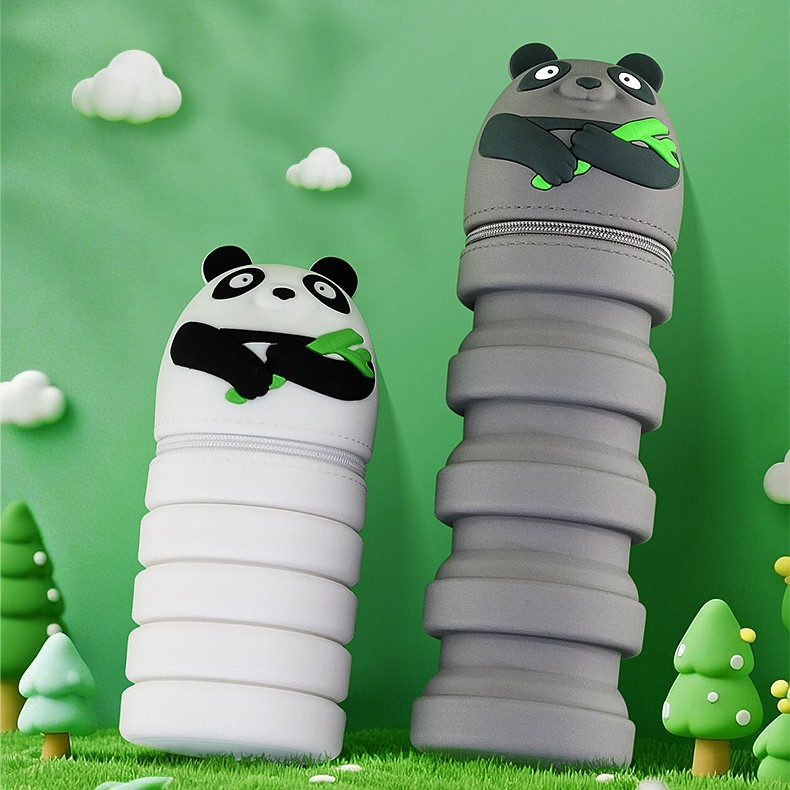
Silicone pen holders come in various sizes. Larger capacity options are recommended to accommodate more items – pens, rulers, scissors, sticky notes, and other office supplies.
- Size reference: Common dimensions are approximately 2.5″ × 2.5″ × 3.75″.
Logo Customization Options
Customizing your logo on a silicone pen holder is straightforward. Simply communicate with the silicone manufacturer and provide your logo file. Several printing methods are available, with colors that remain vibrant over time. Pantone color matching is also supported.
| Customization Method | Best For | Effect |
|---|---|---|
| Screen Printing | Large color blocks, simple patterns | Rich colors, low cost |
| Pad Printing | Detailed small logos | High precision, suitable for curved surfaces |
| Laser Engraving | Premium brands, permanent branding | Never fades, premium tactile feel |
| Embossed/Debossed | Three-dimensional texture | Tactile memory, enhanced brand perception |
Silicone pen holders can also be finished with tactile oil coating or matte finishing to enhance dust resistance and overall quality.
Supplier Reliability
Choosing a reliable silicone manufacturer is essential to ensure product quality. This can be verified through certifications and sample testing.
Stage 1: Sampling – Technical Verification and Risk Control
Sampling is a critical phase that reflects the manufacturer’s technical expertise and problem-solving capabilities.
Material Selection and Compatibility: Quality manufacturers should be capable of selecting the right silicone type (e.g., solid silicone, liquid silicone) based on product requirements. Liquid silicone offers better flow for precision parts, while solid silicone is cost-effective for thicker components. Manufacturers offering only one material option may have limited technical capabilities.
Mold Design and Precision: Proper mold design considers parting line placement, gate position, and vent depth. Poor gate design can cause air bubbles, while shallow vents lead to short shots and deep vents create flash. Mold lifespan should also be clarified – liquid silicone molds typically last 50,000 to 100,000 cycles – to avoid potential issues in mass production.
Process Parameter Control: Key parameters include vulcanization temperature, pressure, and time. For liquid silicone, typical vulcanization temperatures range from 160°C to 200°C, with approximately 40–60 seconds of curing time per millimeter of thickness. Manufacturers that don’t use mold flow analysis to predict air trap zones may require multiple trial runs, extending the development cycle.
Stage 2: Mass Production Readiness – Equipment and Production Stability
Mass production tests the manufacturer’s ability to deliver at scale. Evaluation should cover equipment, capacity, and supply chain.
Production Equipment: Core equipment includes fully automatic vulcanization presses, precision extrusion lines, and mold machining centers. For example, 30+ fully automatic vulcanization presses can support a daily output of over 50,000 units. Aging equipment can lead to higher dimensional deviation rates. Liquid silicone injection machines should also be equipped with low-temperature delivery systems to prevent premature curing.
Capacity and Lead Time: Larger manufacturers typically support multi-batch production and may use in-mold cutting (IMC) technology to eliminate post-molding trimming, reducing labor costs by up to 30%. Manufacturers that don’t provide clear lead time commitments (e.g., delivery within 7 days for standard orders) may face delays due to order backlogs.
Supply Chain Stability: Raw material quality directly impacts product performance. For instance, food-grade silicone must meet FDA certification, and stable color master supply systems are essential to prevent batch-to-batch color variation. Auxiliary materials like vulcanizing agents and mold release agents must also meet environmental standards to avoid volatile compound issues.
Stage 3: Quality Control – Complete Testing and Certification Coverage
Quality is the lifeline of silicone products and should be verified through testing equipment, certifications, and standards.
Testing Equipment: Coordinate measuring machines (CMM) can verify critical dimensional tolerances (e.g., within ±0.1mm). High-temperature aging testers validate temperature resistance (e.g., tensile strength degradation under 150°C should be less than 15%). Manufacturers relying solely on visual inspection may miss micro-level defects.
Certifications: ISO9001, SGS, ROHS, FDA, and other certifications are baseline requirements. For medical-grade silicone, biocompatibility testing is required – manufacturers without relevant certificates may pose compliance risks.
Quality Standards: Indicators like tear strength (≥5MPa) and hardness (Shore A 10° to 80°) must strictly meet design requirements. Manufacturers without standardized testing processes may produce inconsistent results.
Stage 4: Service Capability – Full-Cycle Support from R&D to After-Sales
Quality manufacturers provide comprehensive services covering R&D, production, and after-sales support.
Custom R&D Capability: Ability to develop unique products based on specific requirements, such as animal-shaped silicone pen holders.
Quick Response: Sample delivery within 15 days from requirement confirmation. Slow feedback may delay product launch.
After-Sales Support: Defect rates during mass production should be kept below 0.3%. Manufacturers without traceability systems may struggle to quickly identify and resolve quality issues.
Frequently Asked Questions
Q1: Do silicone pen holders have an odor?
A: Low-quality silicone may have a strong odor. High-quality food-grade silicone has only a faint natural smell that can be easily removed by boiling the product in water for a few minutes. Requesting LFGB certification from the supplier can also ensure the material is odor-free.
Q2: What is the typical minimum order quantity (MOQ)?
A: For promotional product suppliers, MOQs typically range from 200 to 500 pieces. Some custom manufacturers may accept trial orders as low as 50 pieces.
Q3: Are there additional fees for custom logo printing?
A: Yes, there is usually a one-time setup fee (approximately $50–75), plus additional charges for printing plates. Multi-color printing will increase the cost incrementally.
Q4: How can I test silicone pen holder samples?
A: Visually inspect for discoloration, cracking, or strong odor. Perform elasticity tests. Higher-quality silicone pen holders are smooth, clean, odor-free, and highly resilient.
Conclusion
Choosing a silicone pen holder for your promotional campaign offers practicality, eco-friendliness, durability, and customizability. Additionally, silicone pen holders are non-toxic and safe, making them suitable as children’s stationery.
How to choose a high-quality silicone pen holder:
- Confirm material quality and safety certifications
- Evaluate customization capabilities
- Verify supplier reliability and certifications
- Request and test samples