
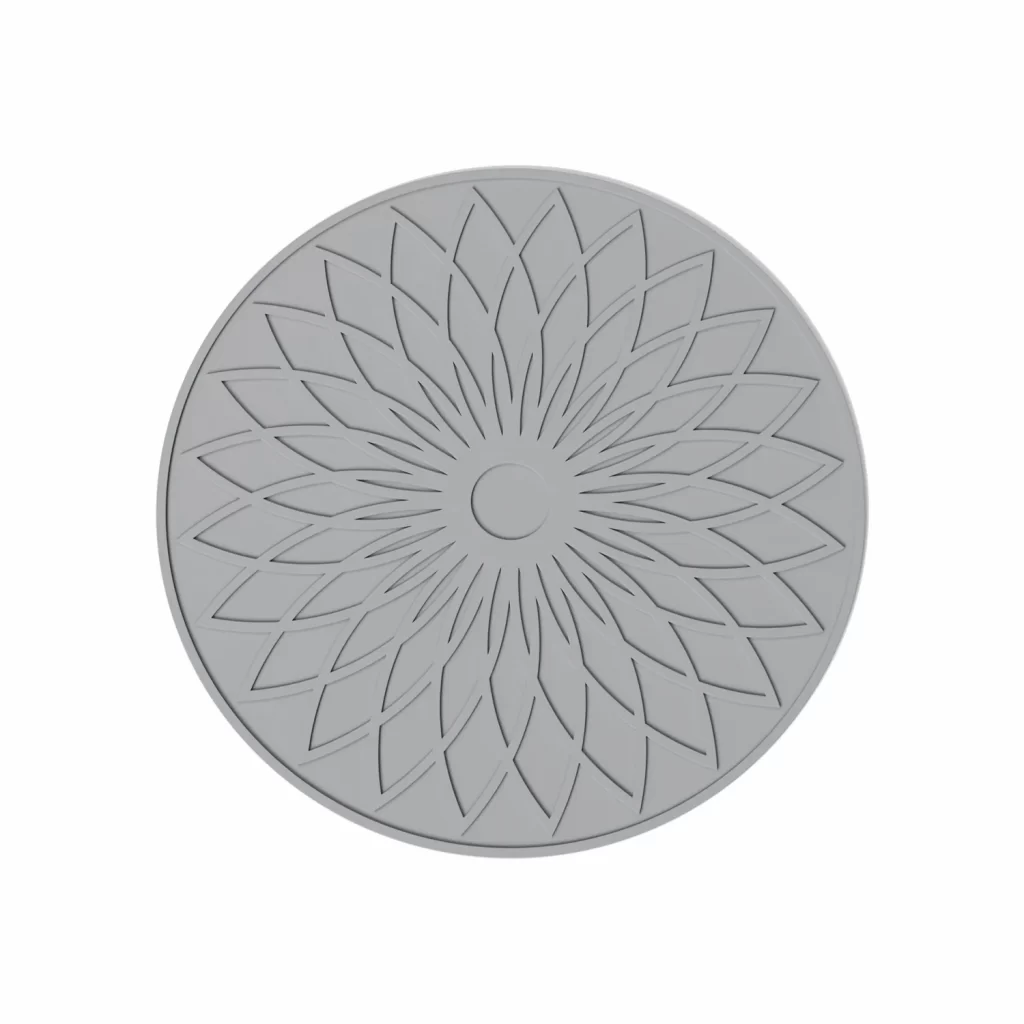
When buyers source custom silicone pads from China, lead time is usually the first thing they ask about — because it directly drives their own production, restocking and promotional calendars. The questions are nearly always the same: How long does a silicone pad or silicone trivet factory take to deliver? Are standard products faster? How long until a custom order is ready to ship?
For buyers evaluating a silicone trivet supplier, this article walks through the silicone pad lead time at every stage — standard products, custom sampling, tooling, mass production and expedited handling — so you can plan against realistic numbers instead of guessing.
What a Silicone Pad Actually Is
A silicone pad is a molded silicone rubber product that combines flexibility, electrical insulation, temperature resistance, pressure resistance and chemical stability. It is food-safe and environmentally stable, which is why it shows up in kitchenware, automotive interiors, electronics, consumer appliances, computers, telecom hardware and automotive electronics.
Within silicone products, pads are one of the highest-volume categories. Food-grade silicone pads carry an inherent thermal stability from −40 °C to 230 °C, which makes them usable across very different environments. The base material is soft enough to be tuned to the hardness each application needs, and the family splits cleanly by function.
Three Main Categories of Silicone Pads
Silicone pads divide by material behaviour and end use into three groups:
| Category | Typical application | Key property |
|---|---|---|
| Thermal conductive silicone pad | Electronics, heat dissipation | High thermal conductivity, conforms to irregular surfaces |
| Silicone insulation pad / silicone trivet | Kitchen — cup mats, table mats, pot mats, trivets | Heat insulation, anti-slip, food-grade |
| Silicone gasket / pad | Industrial machinery, buffer / fastener | Anti-slip, anti-vibration, anti-static, high temperature |
Thermal Conductive Silicone Pads
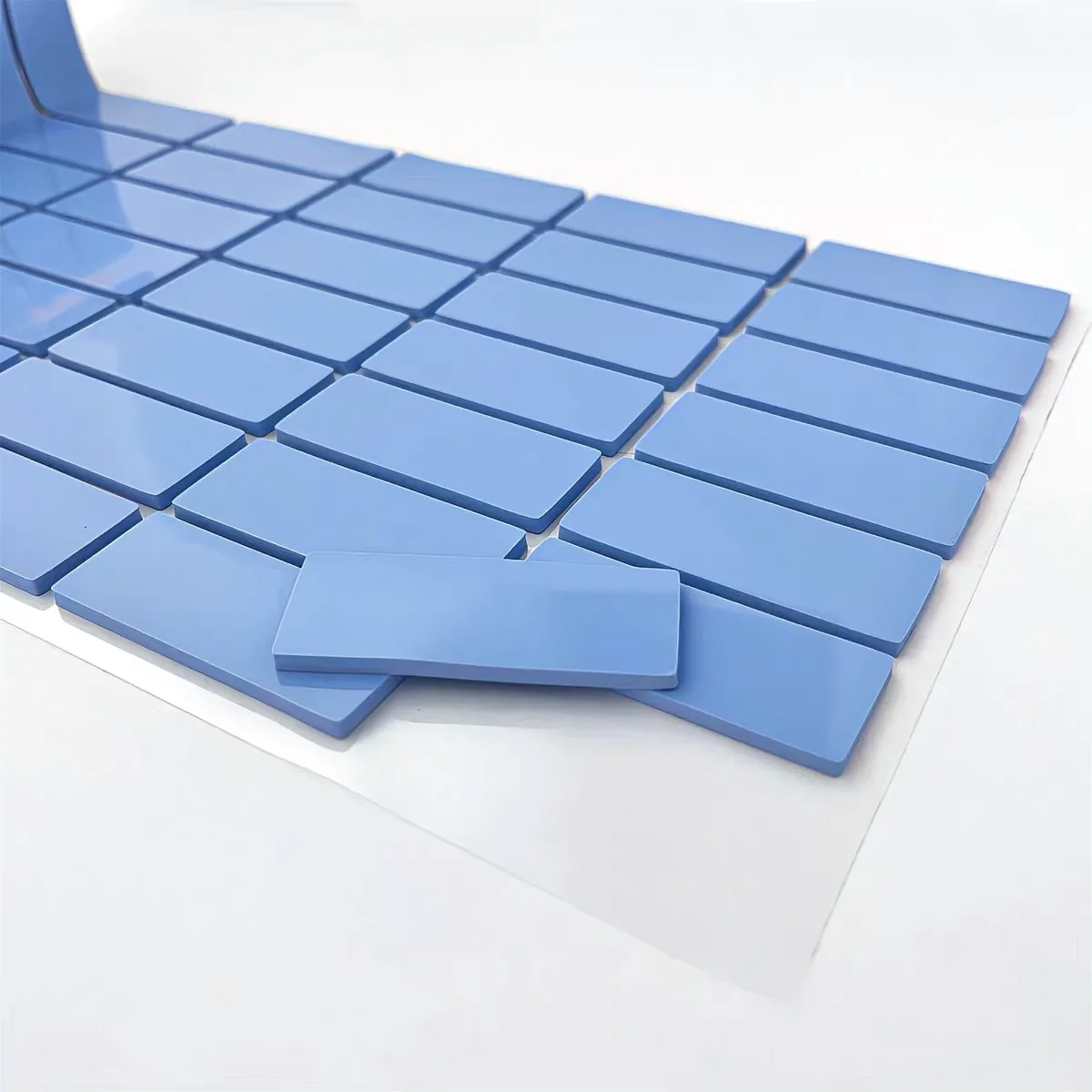
Used mostly in electronics. A soft thermally conductive silicone sheet is engineered to match irregular surfaces, eliminate air gaps and lift overall heat transfer, so devices run at a lower steady-state temperature.
Silicone Insulation Pads & Silicone Trivets
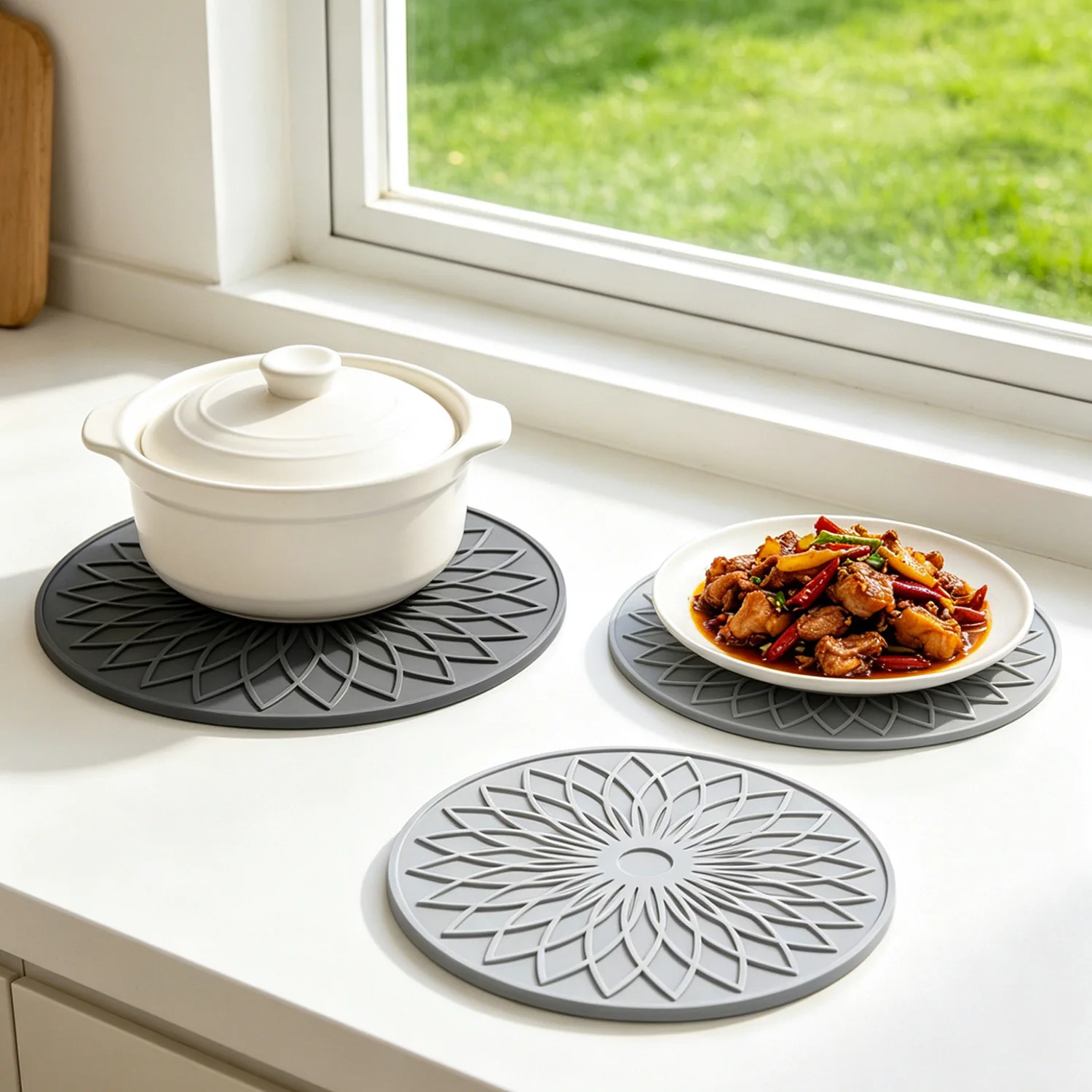
This is the family most consumers recognise — cup mats, placemats, pot mats and silicone trivets. A silicone trivet is the kitchen pad designed to sit under hot pots, pans and baking dishes so the tabletop does not mark, crack or scorch.
A silicone cup mat is molded from food-grade silicone and sized to fit any cup. Its insulation protects the tabletop from heat marks, the surface finish works as decoration, and the material holds heat and cold well. It is compression-molded at high temperature, environmentally inert, and rated for −40 °C to 220 °C; it will not mark the table.
A silicone trivet — also sold as a trivet mat, silicone hot pad or silicone pot holder — is larger than a cup mat, usually honeycomb or grid-structured, and works as a shock absorber for hot cookware. Silicone trivets for hot pots and pans are rated for the same −40 °C to 220 °C range and will not deform under a heavy Dutch oven. A large silicone trivet covers big stockpots and family-size cookware, while a silicone trivet set bundles matching sizes (typically 2-piece or 4-piece) for retail shelves and gift programmes.
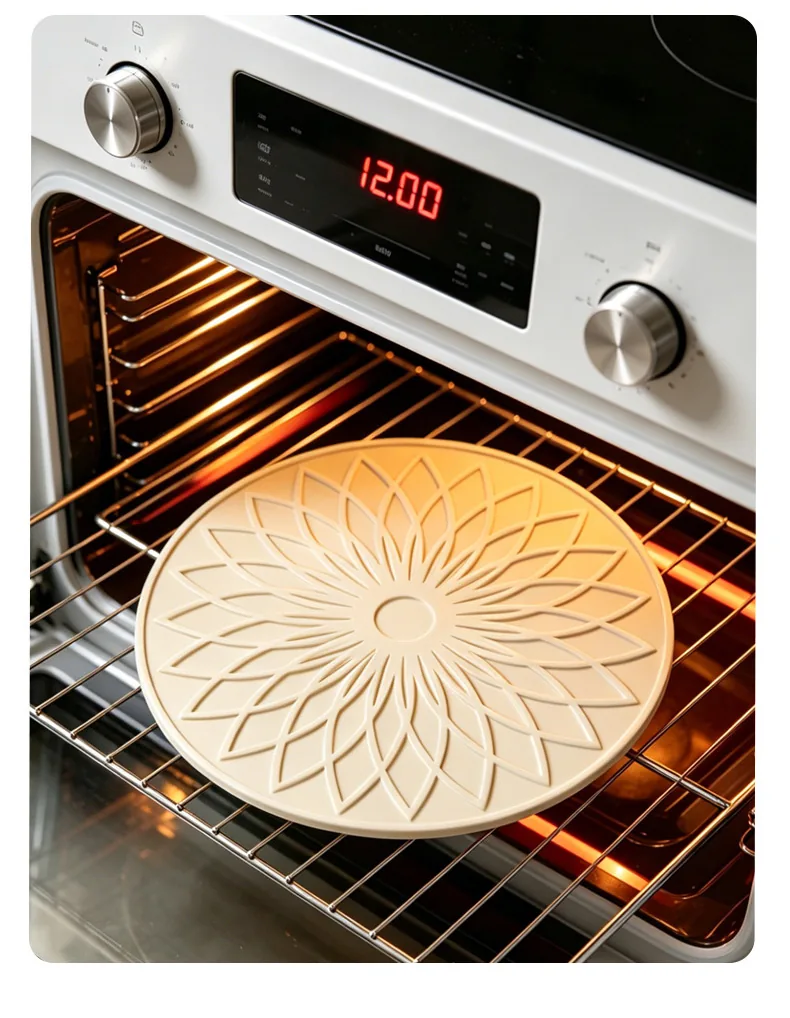
Food-grade silicone trivets also work safely inside a microwave oven, which makes them a practical choice for reheating and prep surfaces in both home and commercial kitchens.
Silicone Gaskets / Industrial Pads
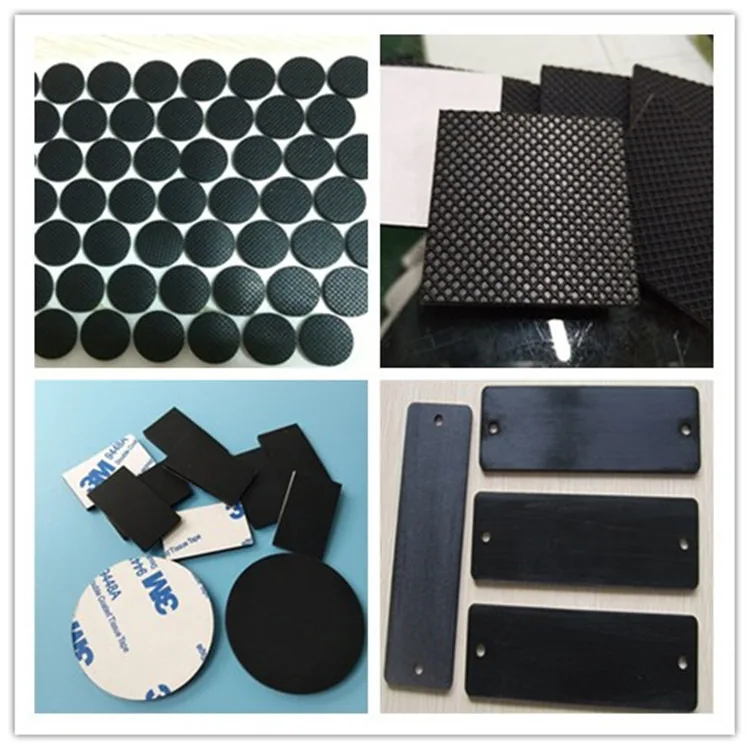
These sit in industrial machinery as buffer and fastener components — anti-slip, anti-vibration, anti-static and heat resistant — protecting the machine and reducing wear.
How Silicone Pads Are Customized at a Chinese Factory
When sourcing silicone pads or silicone trivets, lead time sits behind every production, restocking and event schedule. As a professional silicone trivet manufacturer and supplier, Siliconegpt breaks the timeline into five stages — standard product delivery, custom sampling, tooling development, mass production scheduling and expedited handling — so buyers can plan realistically.
Standard Products Ship Faster
If the item ordered is a standard silicone pad, silicone trivet, silicone trivet set, silicone gasket, silicone anti-slip pad or silicone sealing pad that already has an existing mold at the factory, the lead time is short.
- Standard products: typically 3–7 working days from confirmation of quantity, colour and packaging. If stock is available, some items ship even faster.
That said, even standard items are affected by stock position, colour changes, silk-screened logos, adhesive backing, packaging method and order queue. Switching to food-grade raw material, adding brand identity or building custom packaging will extend the timeline accordingly.
Custom Products Need Sampling Time
A custom silicone pad or silicone trivet has to be specified first — size, thickness, hardness, colour, surface texture, adhesive backing and inspection standard.
- Sampling for straightforward items: typically 3–7 working days.
- Sampling for complex items (multi-colour, silk-screened patterns, special functions): 7–15 working days.
Sampling is not just “make a part”. It is the stage where you confirm the size fits, the hardness is right, the surface is flat, the backing holds, and the smell and appearance meet spec. The factory cannot enter mass production until the customer signs off the sample — so the faster the sampling feedback, the more controllable the overall silicone pad lead time.
Tooling Development Affects the Overall Timeline
Whether the order needs a new mold is the single biggest variable in the schedule.
- Simple flat pads, round gaskets and standard sealing pads: tooling is relatively quick.
- Pads with irregular structure, multi-cavity molds, anti-slip textures, inserts, two-colour bonding or tight tolerances: tooling takes significantly longer.
- Industry norm for mold development: about 7–15 working days, with complex molds running longer.
If the customer already has a usable mold, the factory only needs to set up the press — lead time drops sharply. If a new mold is required, plan for drawing confirmation, mold machining, first-shot trial, mold modification and sample sign-off in the schedule.
Mass Production Timeline Depends on Order Volume
After sample approval, the mass production cycle depends on order quantity, mold cavity count, process complexity and the factory’s current schedule.
- Small batch / trial order: typically 7–15 working days.
- Medium to large batch: typically 15–25 working days, subject to the factory’s actual slot.
Silicone pad production also moves through raw material preparation, vulcanization molding, deflashing, post-cure, silk-screening, adhesive lamination, full inspection and packaging. If the pad is for food contact, mother-and-baby use, export markets or requires third-party testing, testing time must be reserved on top of the production cycle.
How to Shorten the Silicone Pad Lead Time
To accelerate delivery, prepare complete documentation up front:
- Size drawing (with thickness and tolerance)
- Hardness (Shore A)
- Colour (Pantone or reference)
- End use (food contact, industrial, electronic)
- Adhesive backing requirement
- Packaging method (polybag, header card, retail box)
- Target lead time
For urgent orders, prioritise existing molds, simplified surface processes and fewer colours, and confirm the sample acceptance criteria early. For repeat replenishment, set up a safety stock or rolling production plan with the factory — ad-hoc expedites always carry a cost premium.
What Siliconegpt Can Customize
As a silicone trivet manufacturer and supplier and custom silicone products factory, Siliconegpt manufactures custom silicone pads, silicone trivets, silicone trivet sets, silicone sleeves, silicone kitchenware, silicone gifts and silicone sealing components. In sampling, we confirm size, hardness, colour, surface finish and inspection criteria with the buyer; in mass production we hold consistency through raw material control, mold maintenance, process stability and finished-part sampling inspection. The earlier a buyer locks in quantity, lead time and acceptance standard at the inquiry stage, the more accurate the production plan — and the lower the delivery risk. Choosing the right silicone trivet supplier early — one that controls mold, raw material and schedule in-house — is the single biggest lever on a predictable silicone trivet lead time.