
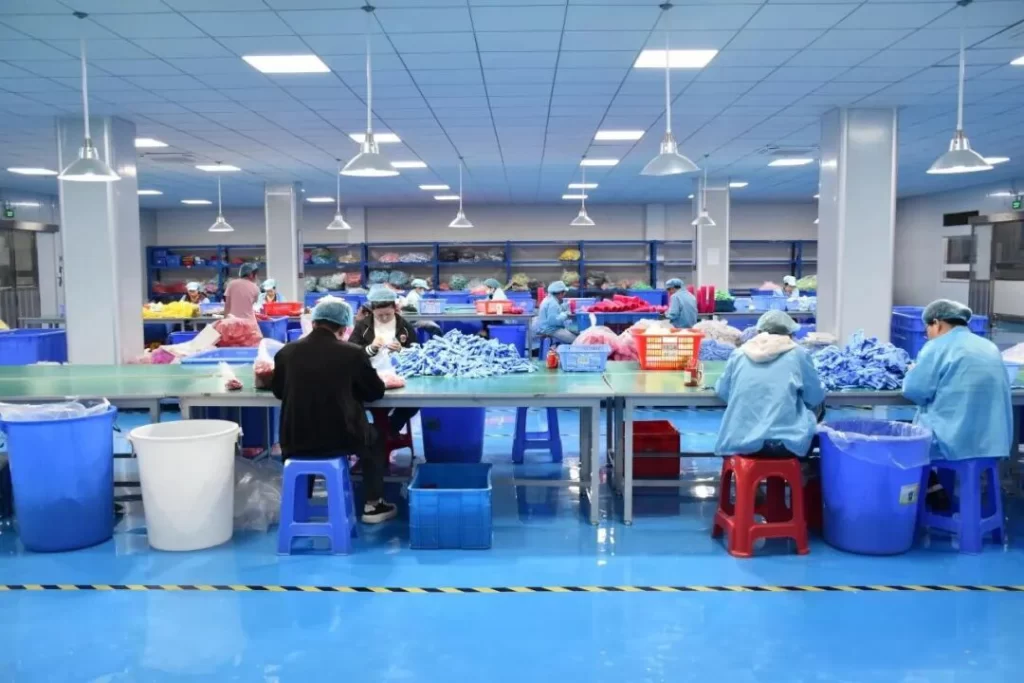
As the silicone industry has matured, silicone products have spread into almost every consumer category — kitchenware, travel accessories, electronics, promotional gifts and personal care. A reliable silicone products manufacturer is now the backbone behind most of these items, and buyers sourcing silicone travel bottles, silicone water bottles and custom silicone gifts increasingly want to know what to check before placing an order.
The problem is straightforward: the market is mixed. Some factories chase margin with substandard material, and counterfeit silicone products cause real losses for both brands and end users. This article walks through how a buyer should evaluate a silicone products manufacturer — from company history and quality certificates to delivery speed, mold technology and on-the-spot quality checks — so you can source travel bottles, water bottles and gifts with confidence.
Why Silicone Products Are Worth Sourcing
A genuine silicone product carries a set of properties that make it suitable for demanding applications:
- Wear resistance and fatigue resistance — the material holds up under repeated use.
- Elasticity, hardness and tensile stress — tunable to the feel each product needs.
- Tear strength and tensile strength — the part will not split easily under load.
- Pleasant hand feel and an affordable price point.
- Printable surface — silk-screened patterns and logos apply cleanly, which matters for branded merchandise.
Counterfeit silicone products, by contrast, are typically toxic and carry a pungent smell. They fail the elasticity test, degrade quickly, and can be harmful to health — which is why learning to identify them matters as much as choosing the right factory.
How to Tell Real Silicone from Fake
Before you evaluate the factory, evaluate the material. Three quick checks separate genuine silicone from counterfeit stock:
- Hand feel and elasticity. Real silicone is soft, smooth and springs back. Fakes feel stiff, greasy or powdery.
- Smell. Genuine food-grade silicone is essentially odourless. A sharp, irritating smell signals additive-heavy or non-food-grade material.
- Burn test. This is the most decisive check. Real silicone, regardless of colour, burns with white smoke and leaves a white powder residue. Counterfeit silicone burns with black smoke and leaves a black, sooty powder.
If a silicone products manufacturer cannot answer questions about material grade, FDA / LFGB compliance or burn-test behaviour, that is a red flag on its own.
How to Evaluate a Silicone Products Manufacturer
Once the material checks out, the factory itself is the next filter. Six points matter most.
1. Company Age and Track Record
A silicone products manufacturer that has been operating for years has seen product cycles, material changes and quality issues that a new company simply has not. New factories may list products they have never actually made — borrowed from other suppliers’ catalogues — and cannot guarantee production methods or application range. Company age is not a guarantee of quality, but a short history is a reason to dig deeper.
2. Quality Certificates
A credible silicone products manufacturer holds documented quality certificates. If a factory cannot produce certificates, the product may be outsourced to a third party — in which case quality, price and delivery speed are all outside their control. Ask specifically for:
- Business licence
- Safety production compliance certificate
- ISO 9001 quality management certificate
- Material compliance reports — FDA, LFGB, RoHS depending on the product’s end use
- EU environmental standards compliance for export items
3. Delivery Speed
Silicone products — especially silicone travel bottles, silicone water bottles and promotional gifts — move in fast cycles, not unlike fashion accessories. A product that is hot this month may be glutted next month. If your silicone products manufacturer ships slowly, you miss the first-mover window and the margin that comes with it. Confirm standard lead time, sampling time and bulk lead time before you commit.
4. Proper Licences and Compliance
A formal silicone products manufacturer should have complete documentation: business licence, safety production compliance, ISO 9001, and environmental certificates. These are not paperwork for their own sake — they are what guarantee your product is environmentally safe and legally marketable in your destination country.
5. Mold-Making Technology
A good mold locks in roughly 90% of a product’s final quality. If the factory’s mold-making is weak, no amount of R&D on your side will rescue the finished part. Ask about:
- In-house mold shop versus outsourced molds
- Multi-cavity mold capability for higher volume
- Tolerance control on critical dimensions
- Experience with the product family you are buying (travel bottles, water bottles, multi-colour gifts, overmoulded parts)
6. Production Capacity and Integrity
Even the best mold is useless if the factory cannot scale. If your product takes off and the factory cannot keep up, competitors will fill the gap — and imitation in this industry is fast. Beyond capacity, integrity matters: a silicone products manufacturer that respects your IP and does not resell your designs to other buyers is worth holding onto.
On-the-Spot Quality Checks for Silicone Products
Whether you are inspecting silicone travel bottles, silicone water bottles or branded gifts, run these checks on the finished parts:
- Check elasticity first. Silicone is elastic by nature — good product snaps back. Poor elasticity means the formulation is off.
- Tear strength and tensile strength. High tear strength means the product resists splitting and lasts longer. Low-quality silicone tears easily at the edge.
- Wear resistance. The surface should not scuff easily from normal handling. Worn surfaces lose print, colour and logo clarity.
- Hardness and tensile stress. These are the stiffness indicators — how much force is needed to deform the part to a set amount. They should match the spec for the application.
- Smell test (again). A finished product with a chemical smell has not been properly post-cured or is using non-food-grade material.
- Surface finish and print. Logos and patterns should be crisp, aligned and durable under a tape peel test.
- Seam and flash line. Excess flash or uneven seams signal mold wear or rushed deflashing.
- Dimensional consistency across a batch. Measure a few parts from different cavities and different time points in the run. Big variation means the process is not under control.
Product Categories to Ask About
When you first approach a silicone products manufacturer, ask which categories they actively produce — this tells you where their real tooling and process experience sits. Common categories include:
- Silicone travel bottles — refillable shampoo, lotion and condiment bottles for travel retail; leak-proof, BPA-free, TSA-friendly sizes.
- Silicone water bottles — foldable, collapsible and rigid bottles for outdoor, sports and promotional programmes.
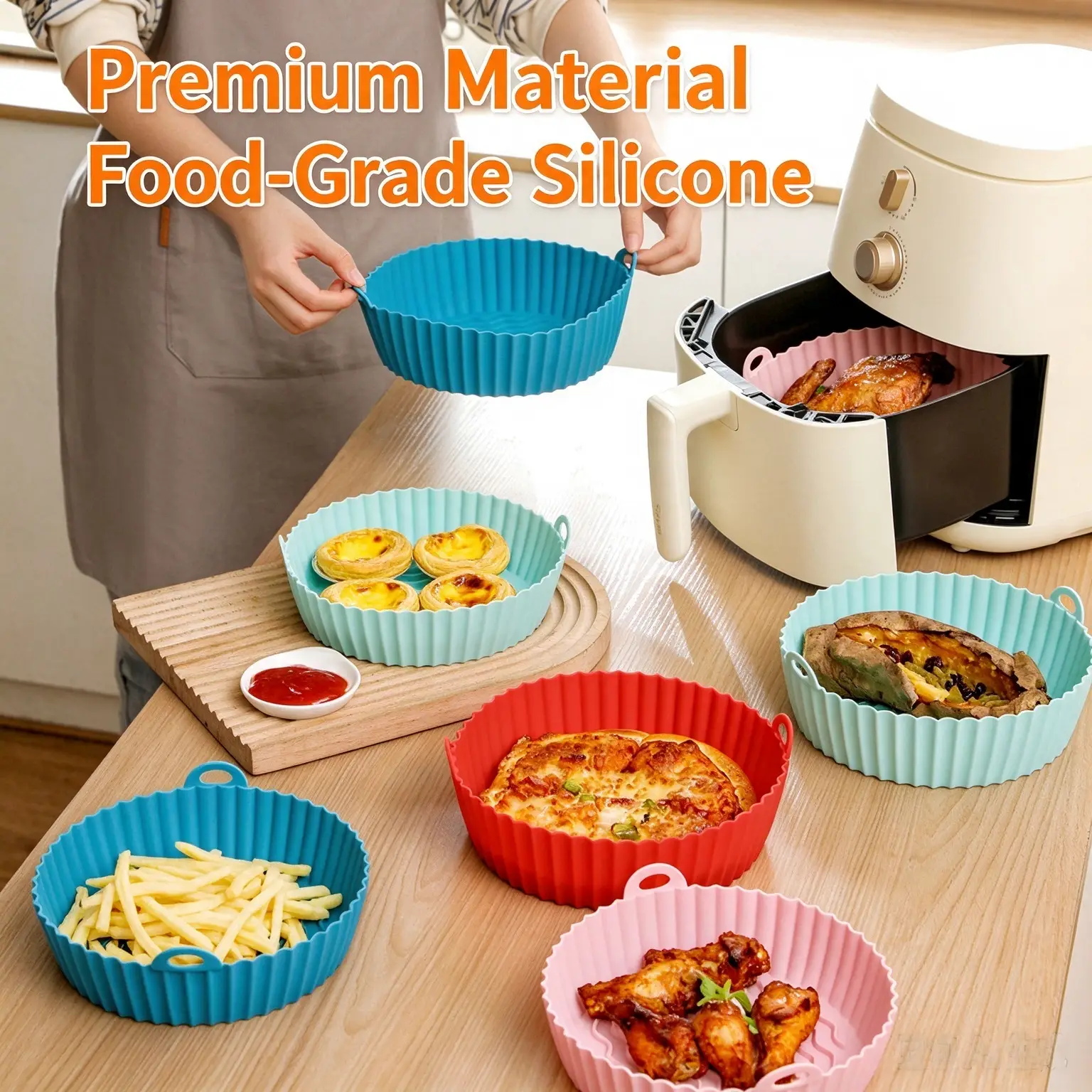
- Silicone kitchenware — cup mats, trivets, placemats, bowl covers, steam lids.
- Silicone promotional gifts — wristbands, keychains, phone stands, luggage tags, fridge magnets, cable organisers.
- Silicone personal care — facial brushes, cleansing pads, makeup sponges.
- Silicone electronics accessories — phone cases, smartwatch bands, earbuds tips, power-bank covers.
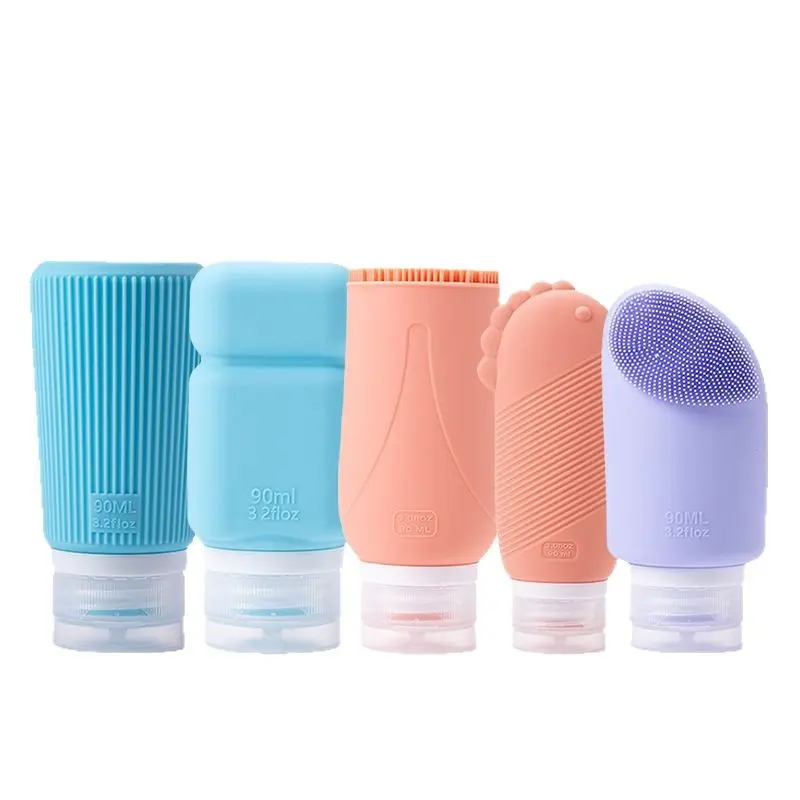
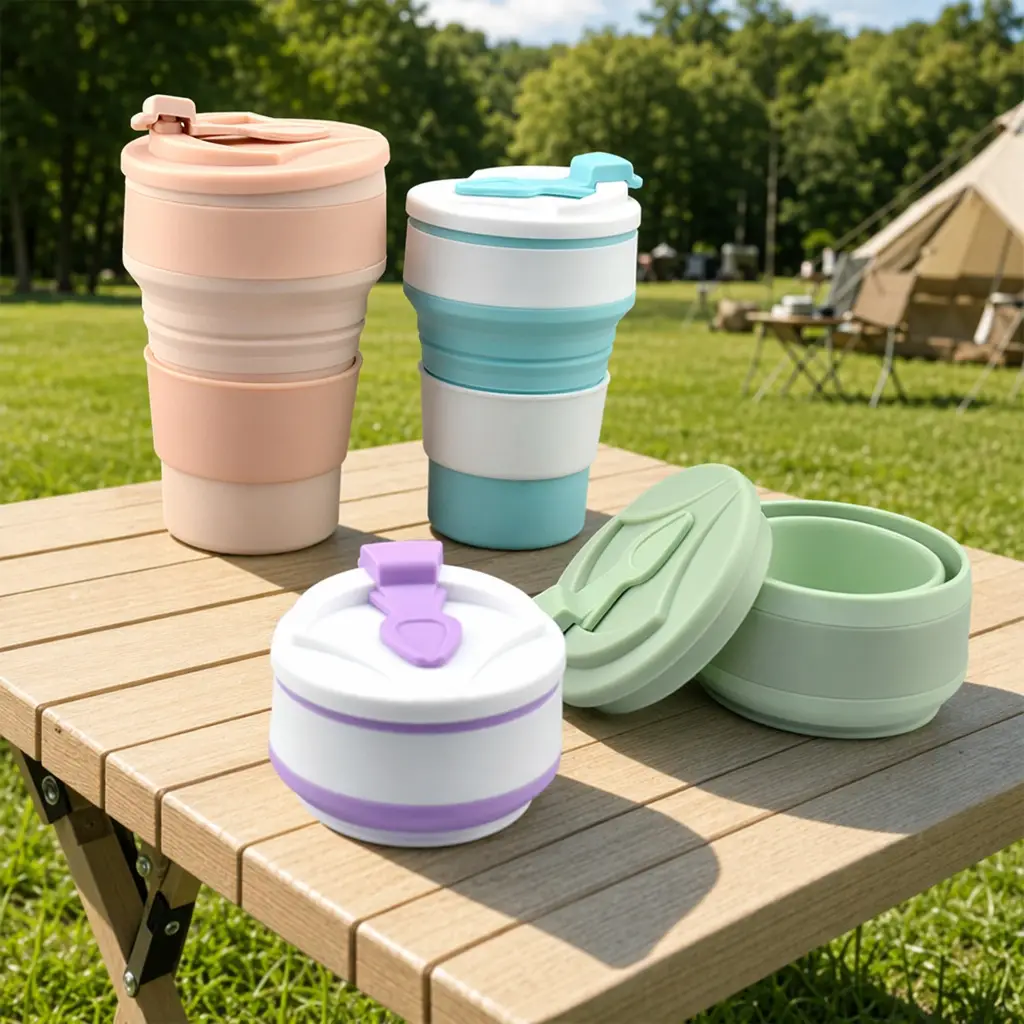
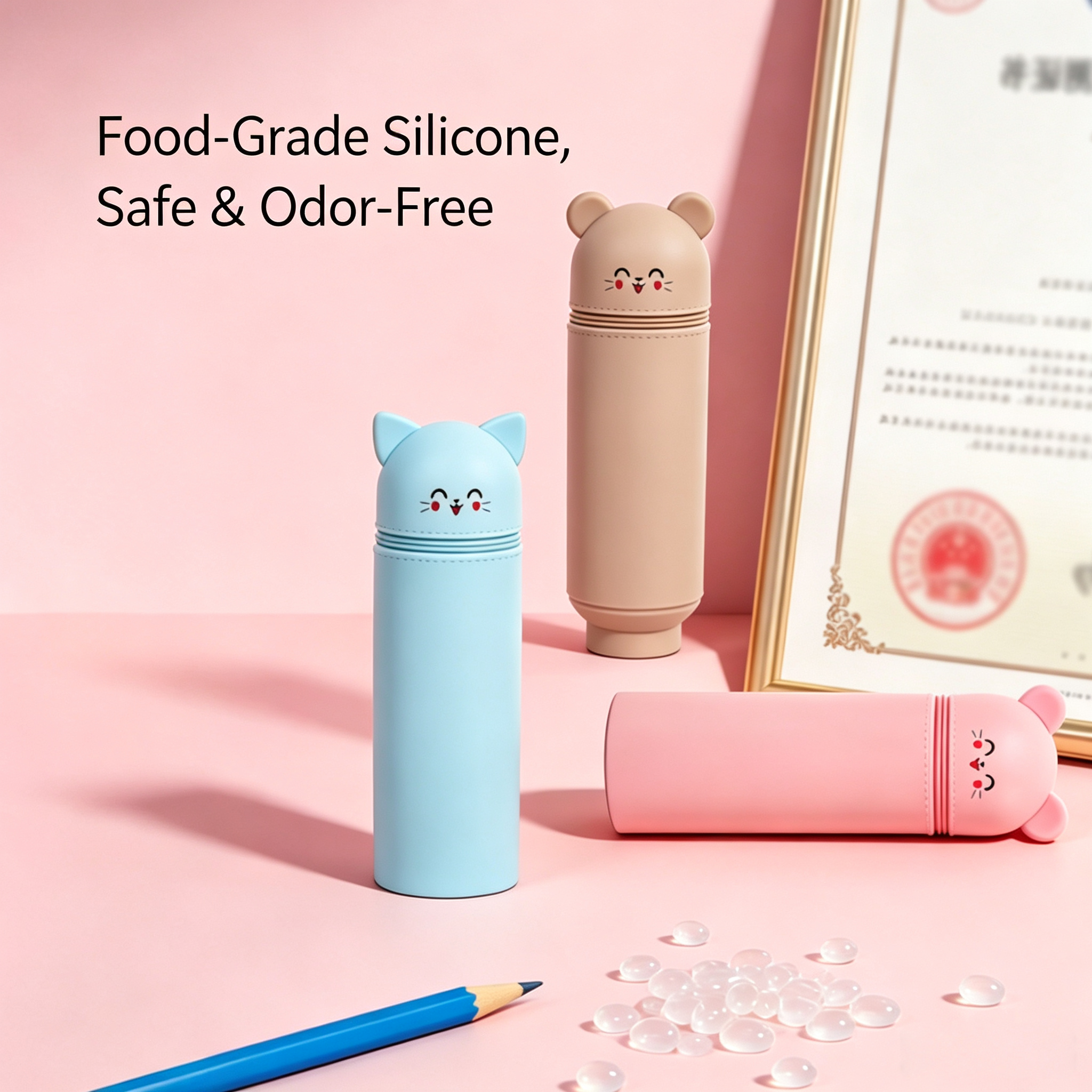
A factory that lists all of the above but cannot show you samples or production photos for silicone travel bottles and silicone water bottles specifically is probably trading, not manufacturing.
Why Siliconegpt
Siliconegpt is a silicone products manufacturer focused on custom silicone travel bottles, silicone water bottles, silicone kitchenware, silicone gifts and silicone sealing components. We hold ISO 9001 quality management certification, and all food-contact materials meet FDA and LFGB standards with full EU environmental compliance for export.
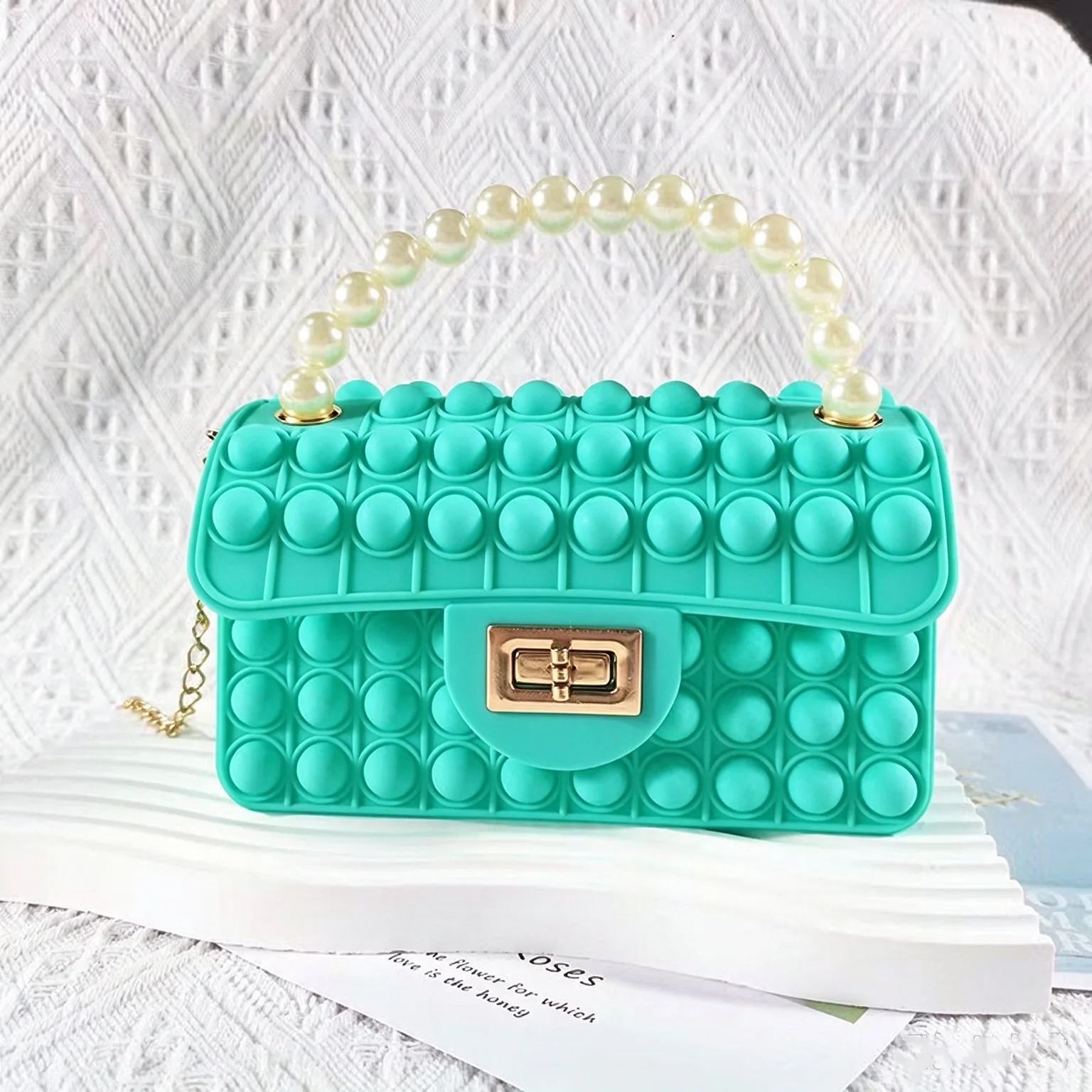
In sampling, we confirm size, hardness, colour, surface finish and inspection criteria with the buyer before any mold is cut. In mass production, we hold consistency through raw material control, in-house mold maintenance, process stability and finished-part sampling inspection. The earlier a buyer locks in quantity, lead time and acceptance standard at the inquiry stage, the more accurate the production plan — and the lower the delivery risk.
If you are sourcing silicone travel bottles, silicone water bottles or custom silicone gifts, the single most useful thing you can do is send a complete spec sheet — size drawing, hardness (Shore A), colour (Pantone or reference), end use, adhesive backing, packaging method and target lead time. That alone shortens the silicone products sourcing cycle by days.